
Welcome
Serengeti
Send us free inquiery now
Overview
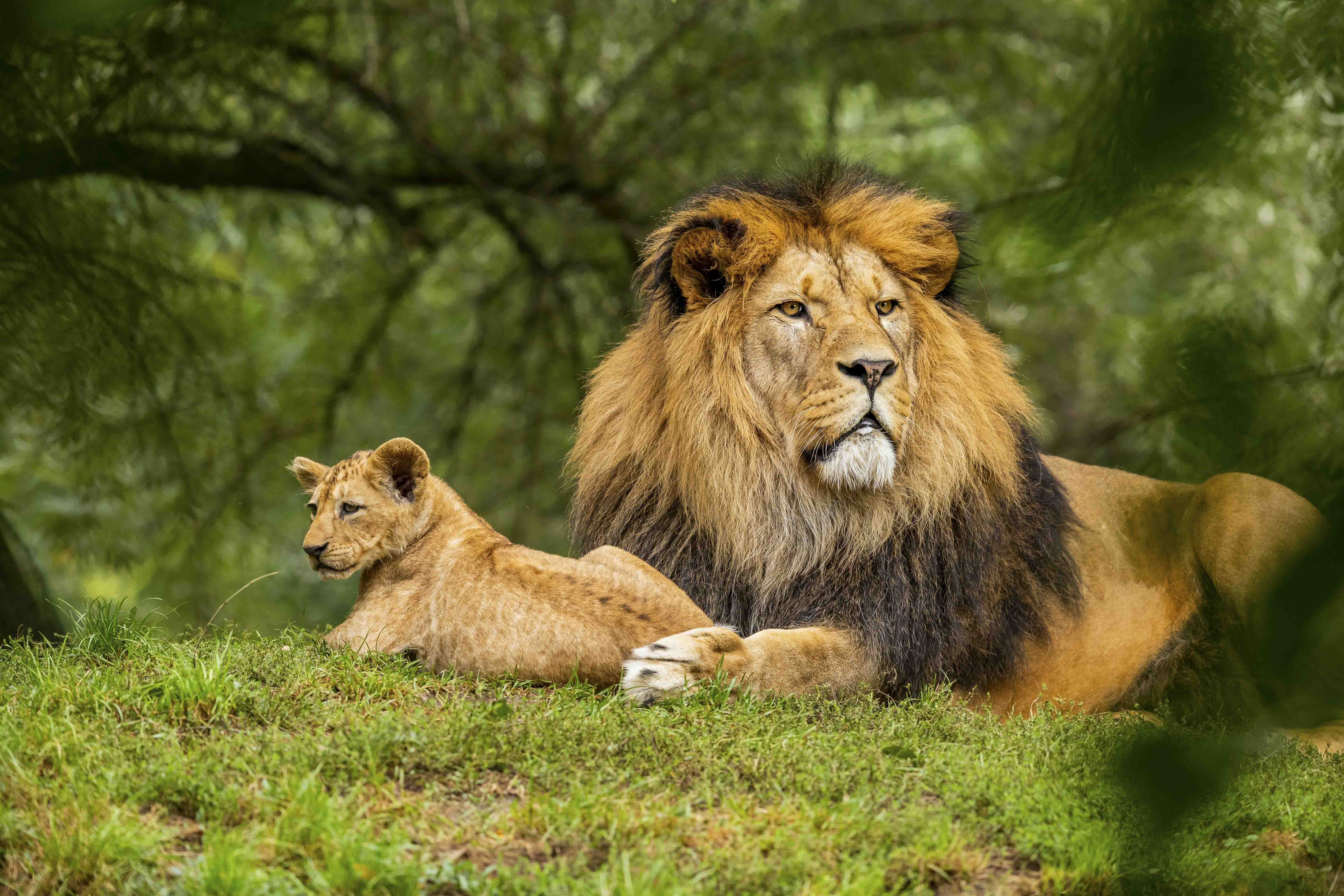
The Serengeti is a wildlife haven, hosting one of the most diverse and abundant populations of animals on the planet. This iconic region is a paradise for wildlife enthusiasts, providing unmatched opportunities to witness animals in their natural behaviors, roam freely across vast landscapes, and interact within one of Earth’s most pristine ecosystems. Spanning nearly 30,000 square kilometers, the Serengeti is home to an extraordinary array of species, including mammals, birds, reptiles, and a rich diversity of plant life that together create a balanced, dynamic environment.
Best Time To Visit
The best times to visit the Serengeti depend on your interests. June to October is perfect for general game viewing and the Great Migration’s river crossings, while December to March offers an unparalleled chance to witness the wildebeest calving season in the southern plains.
The dry season is ideal for witnessing the Great Migration, particularly the river crossings in the northern Serengeti as wildebeest face crocodile-filled waters. The sparse vegetation also enhances visibility, making it easier to spot predators such as lions, leopards, and cheetahs in action.
This is the prime time for the calving season in the southern Serengeti, when hundreds of thousands of wildebeest give birth. This event attracts an abundance of predators, providing dramatic wildlife encounters. The landscape is green and beautiful, making for spectacular photography opportunities.
Home of the Great Migration
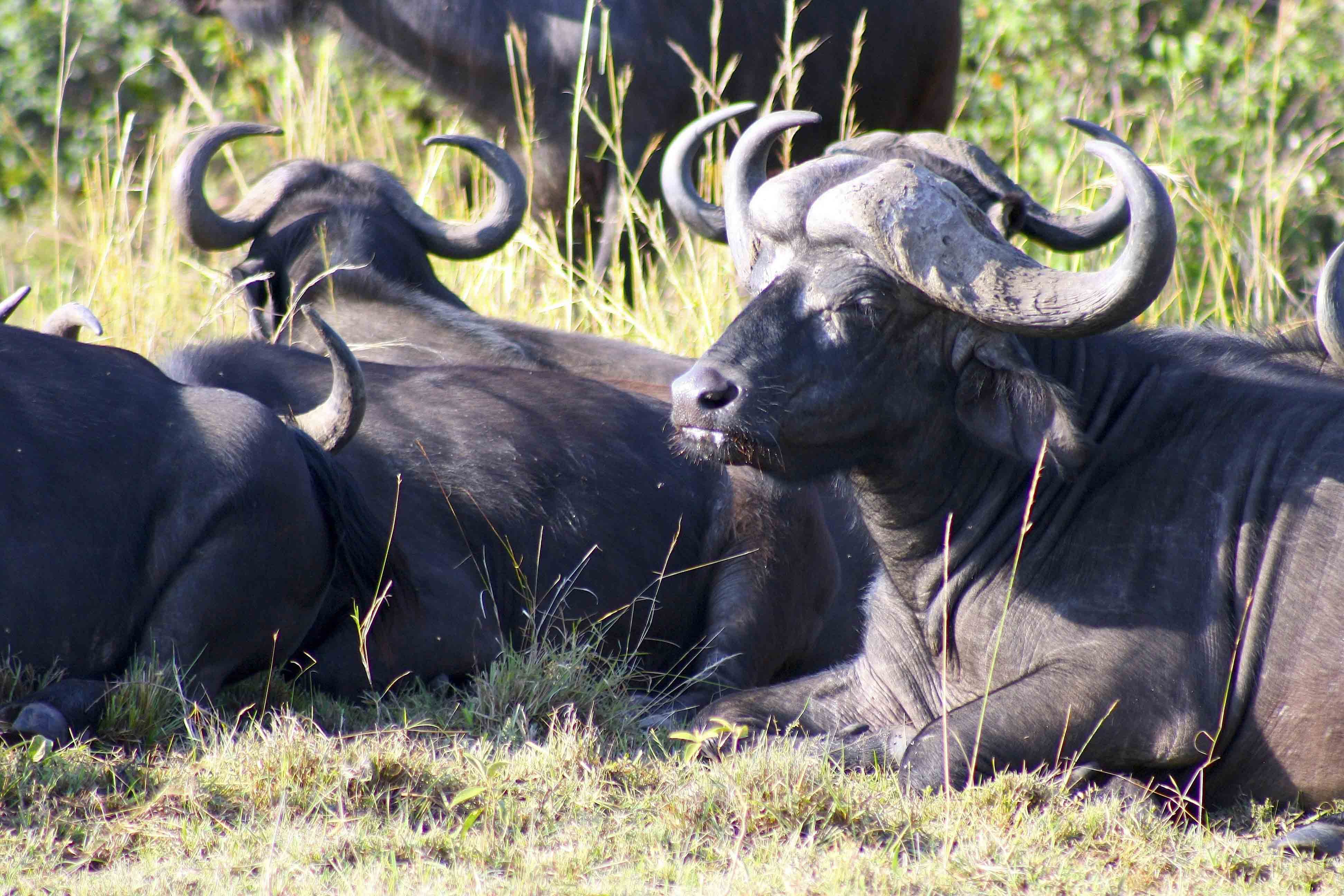
The Serengeti is world-famous for hosting the Great Migration, an awe-inspiring natural event where over two million animals including wildebeests, zebras, and gazelles embark on an epic journey in search of fresh grazing lands and water. This massive migration covers over 1,800 miles across the Serengeti and into the Maasai Mara in Kenya. It’s a perilous journey, with herds facing predators, fast-flowing rivers, and harsh weather conditions.
Weather Month by Month
Serengeti's seasons each offer unique safari experiences. The dry season (June to October) is best for general wildlife viewing and migration river crossings, while the green season (November to May) offers lush landscapes and the thrilling spectacle of the wildebeest calving season.
This is the dry season, considered the best time for wildlife viewing. The vegetation is sparse, and animals gather around water sources, making them easier to spot. This period is also famous for the dramatic river crossings of the Great Migration, where thousands of wildebeest and zebras attempt to cross crocodile-infested waters in search of fresh grazing lands.
The green season transforms the Serengeti into a lush paradise with breathtaking scenery and fewer tourists. From December to March, the southern plains become the calving grounds for wildebeest, with over 500,000 newborns arriving within weeks. This period also attracts predators like lions and cheetahs, leading to incredible predator-prey interactions. The season brings occasional rains, but wildlife remains abundant.
Attractions
Visitors to the Serengeti can engage in a variety of activities that bring them close to nature and wildlife in this world-renowned wilderness. From thrilling safaris to immersive cultural experiences, here are some of the top activities that make the Serengeti an unforgettable destination
Hot Air Balloon Safaris
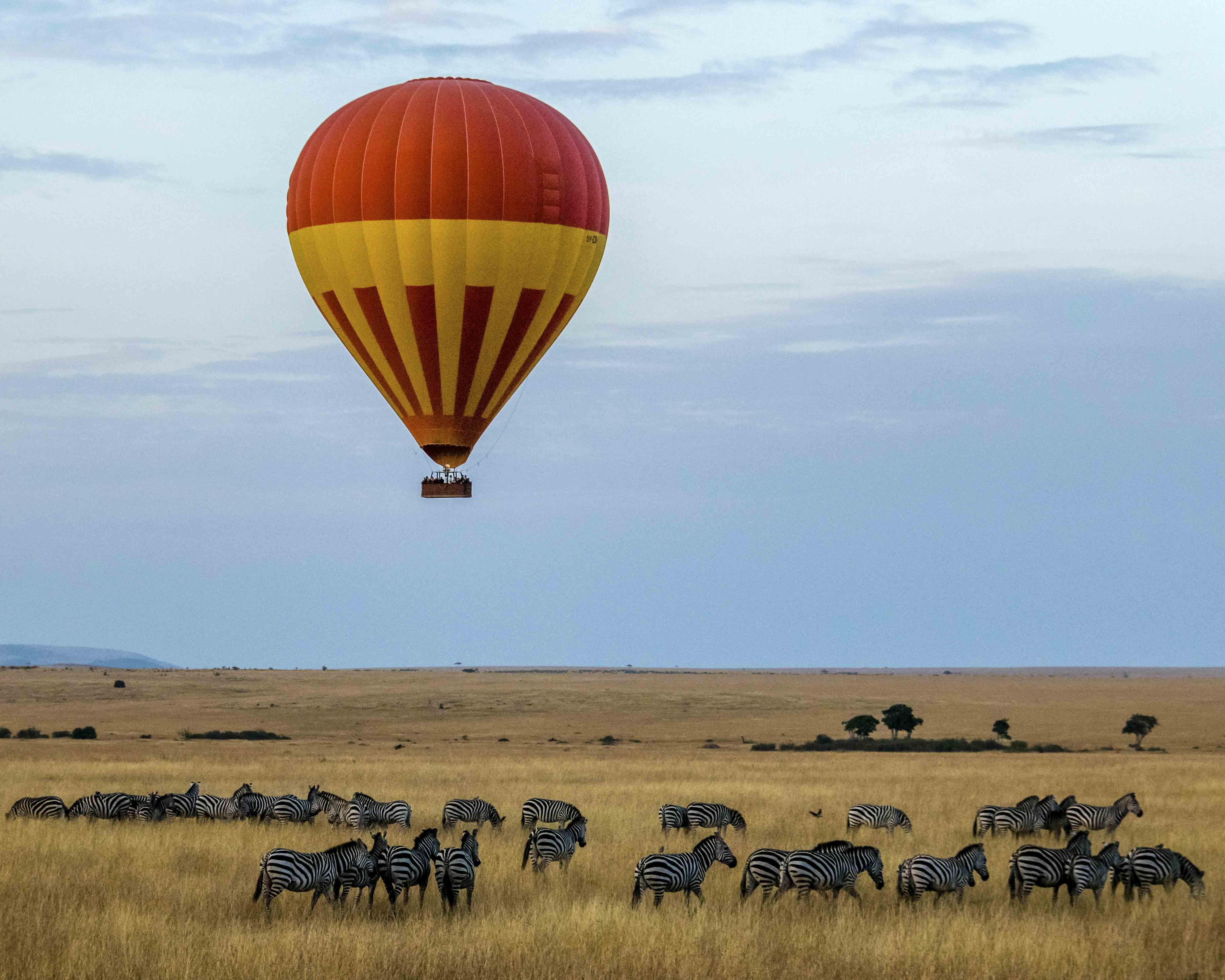
Floating above the Serengeti in a hot air balloon offers a magical, bird's-eye view of the landscape and wildlife.
Bird Watching
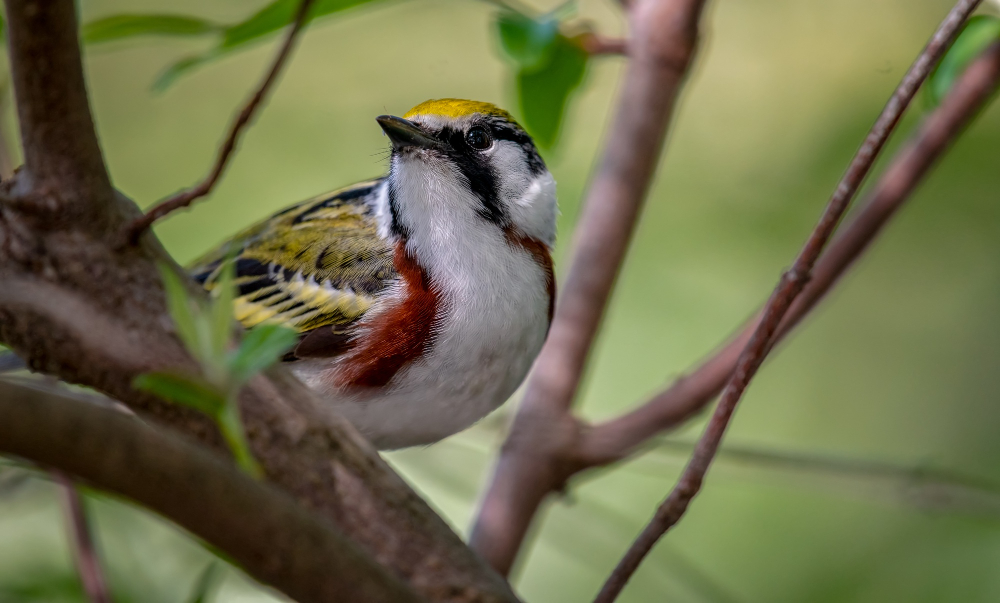
With over 500 species of birds, the Serengeti is a paradise for bird watchers.
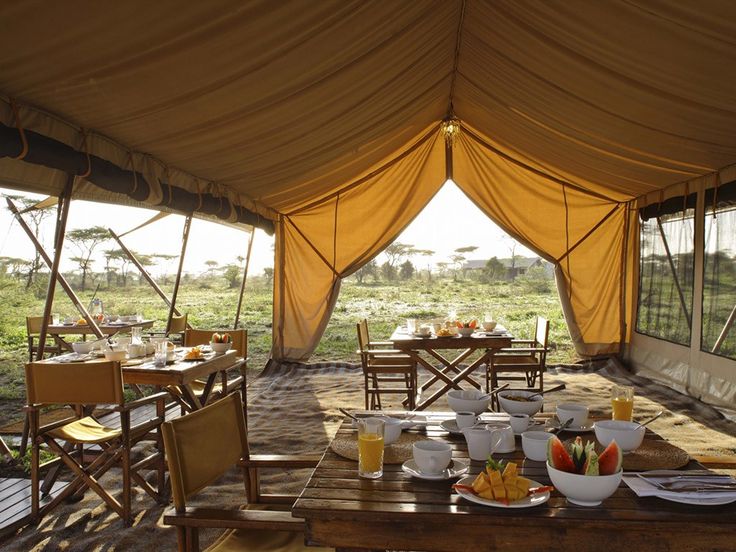
Bush lunch and Dinner
The bush lunch is a truly immersive Serengeti experience, combining the thrill of the outdoors with the pleasure of dining in one of the world’s most remarkable settings.
Wildlife
The Serengeti is a wildlife haven, hosting one of the most diverse and abundant populations of animals on the planet. This iconic region is a paradise for wildlife enthusiasts, providing unmatched opportunities to witness animals
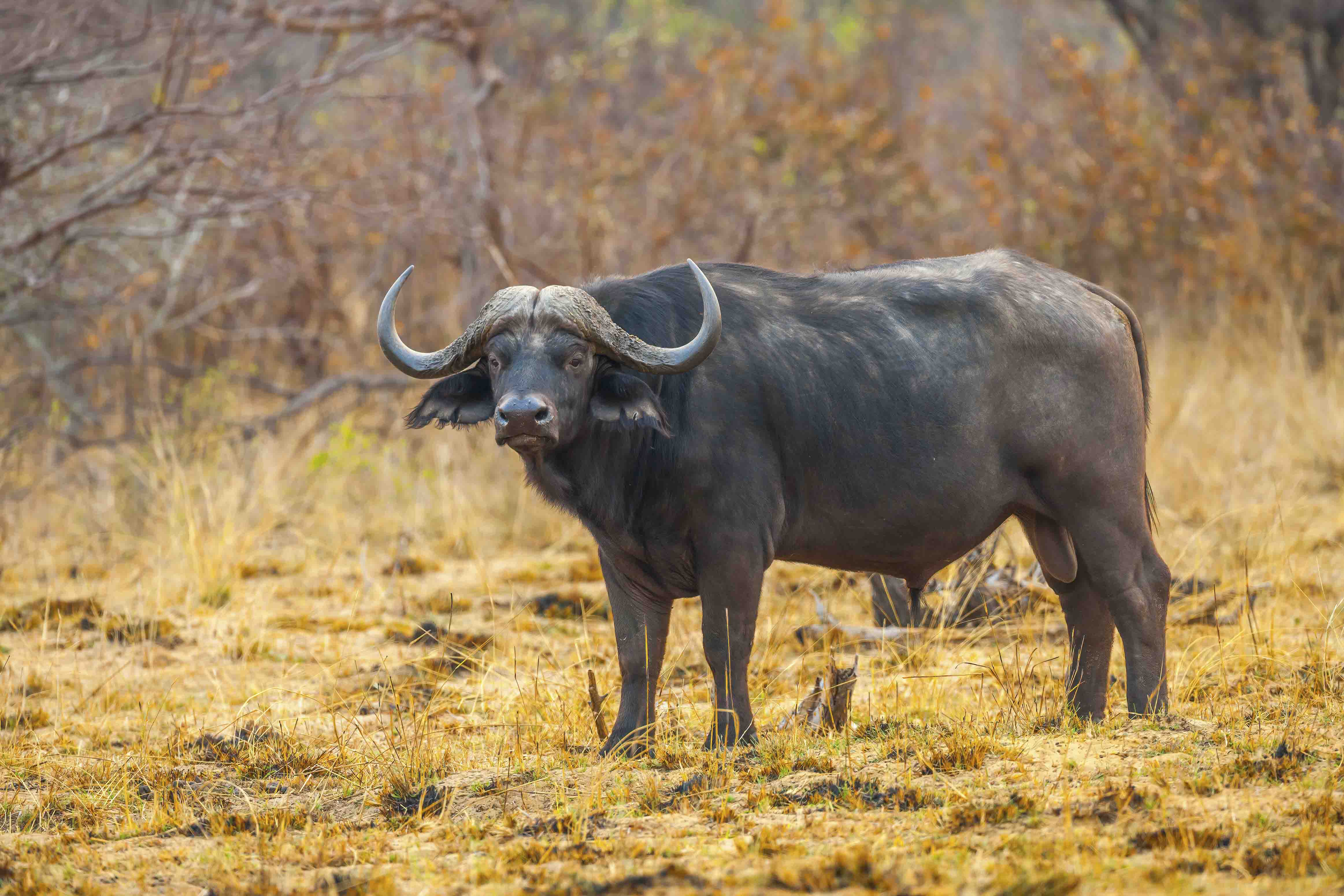
Buffalo
The African buffalo, often seen roaming the Serengeti, is a magnificent symbol of strength and resilience.
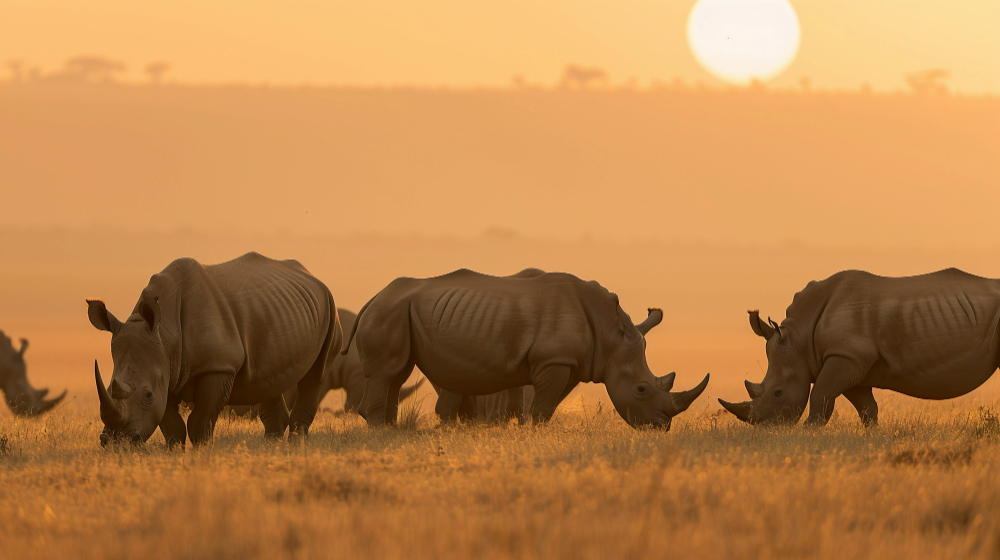
rhino
The rhino, one of the rarest and most awe-inspiring animals in the Serengeti, symbolizes the region’s dedication to wildlife conservation.
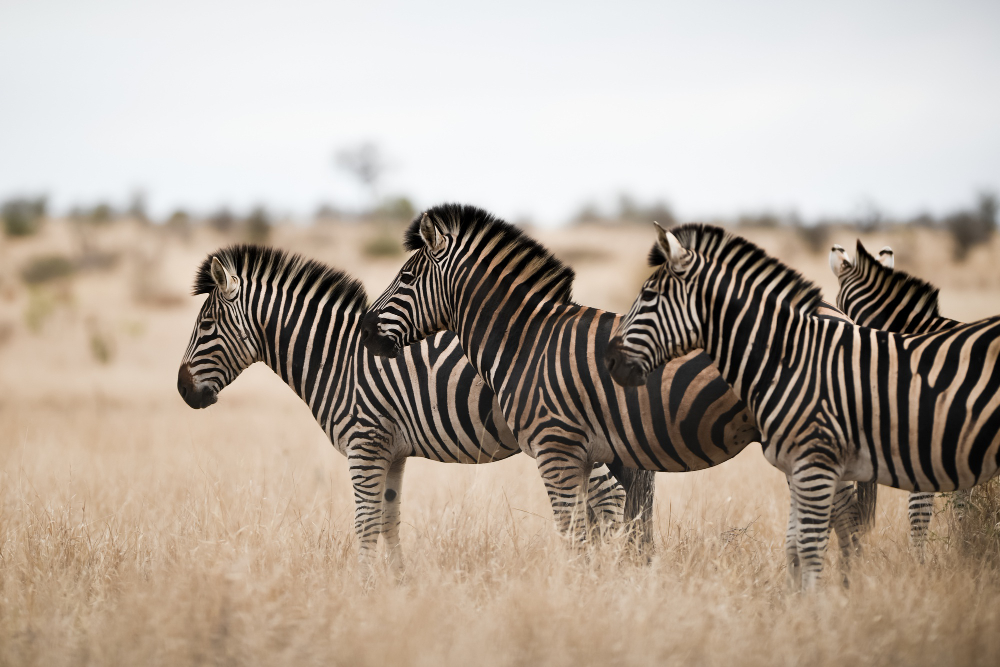
zebra
The zebra is one of the Serengeti's most iconic animals, instantly recognizable with its bold black-and-white stripes.
Visa And Safety
Visa
Most travelers require a Tanzanian visa, which can be obtained online through the eVisa system or upon arrival at major airports. It’s recommended to check specific requirements based on your nationality before traveling.
Safety
The Serengeti is a well-protected national park, but visitors should always follow their guide's instructions, stay inside safari vehicles during game drives, and avoid wandering alone, especially in unfenced camps. Be mindful of wildlife at all times and take precautions against malaria by using mosquito repellent and sleeping under a net.