
Welcome
ngorongoro
Send us free inquiery now
Overview
The Ngorongoro Conservation Area, located in northern Tanzania, is one of Africa's most iconic natural wonders, known for its breathtaking landscapes and unique biodiversity. This UNESCO World Heritage Site spans over 8,300 square kilometers and includes the famous Ngorongoro Crater, the world's largest inactive and intact volcanic caldera, formed around two to three million years ago after a massive volcanic eruption.
Best Time To Visit
The dry season is the most recommended time for safaris in Ngorongoro due to excellent wildlife viewing conditions and comfortable weather.
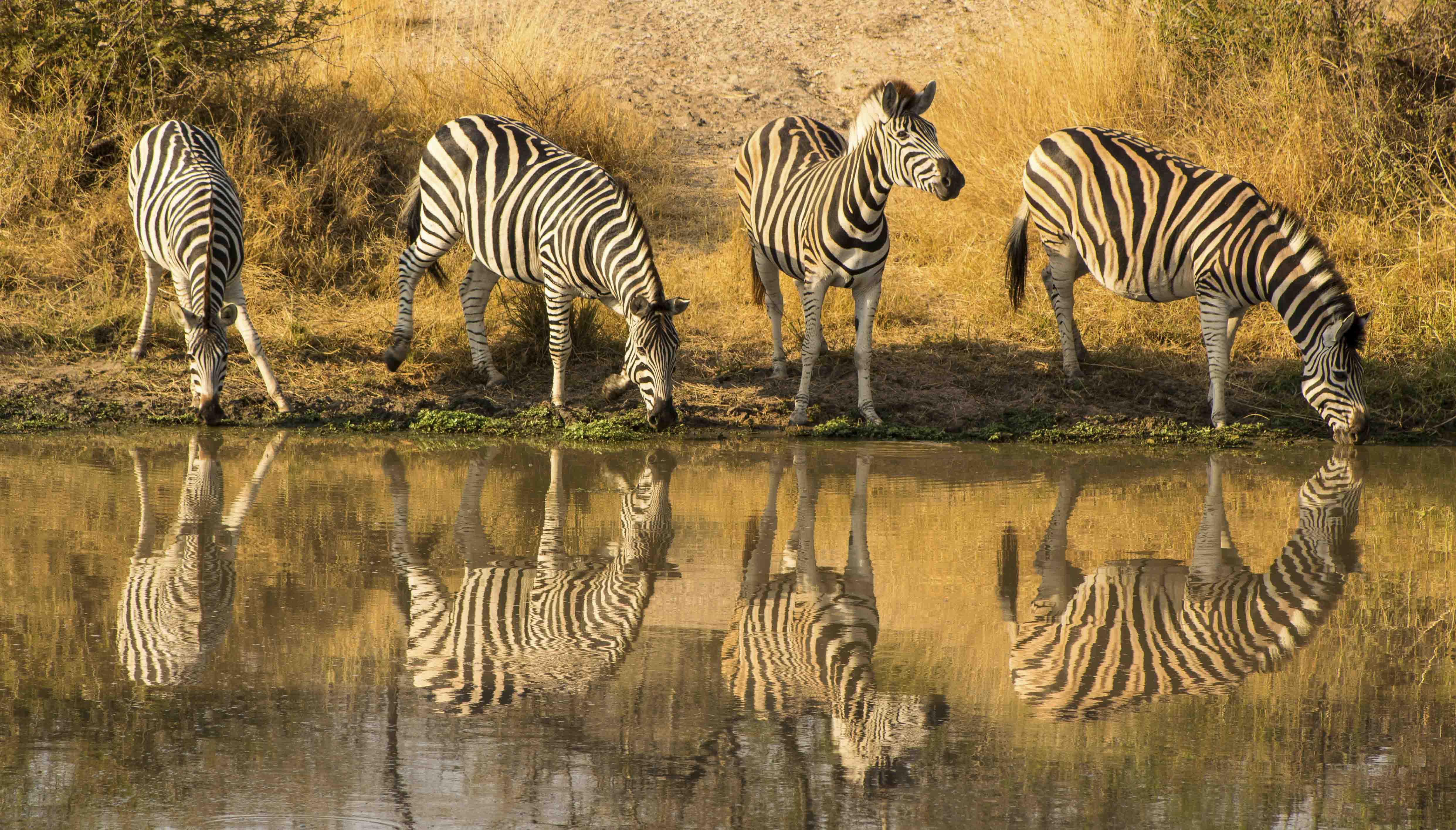
This is the best time for game drives, as animals are easier to spot due to sparse vegetation, and they tend to congregate around permanent water sources like Lake Magadi. The weather is dry, and the roads are more accessible, making safaris smoother and more enjoyable.
The Natural Wonder of Ngorongoro Crater
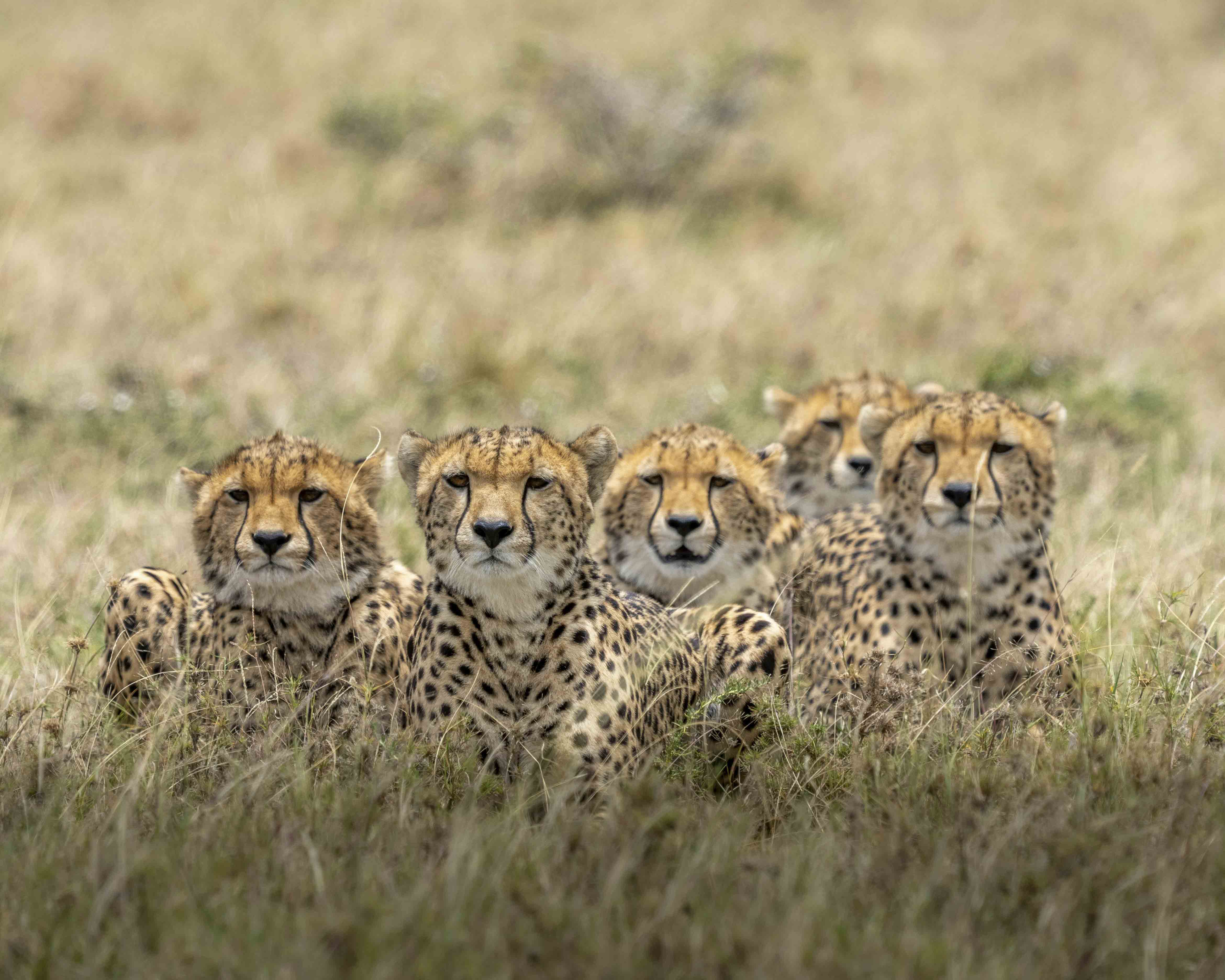
The Ngorongoro Crater is often referred to as "Africa's Garden of Eden" due to its unique ecosystem, which supports one of the densest populations of wildlife on the continent. As the largest unbroken volcanic caldera in the world, it spans over 260 square kilometers and plunges down 610 meters, creating a natural enclosure that teems with animals.
Weather Month by Month
Ngorongoro offers a fantastic safari experience year-round. The dry season (June to October) is ideal for game viewing, while the green season (November to May) provides a scenic and quieter safari experience with excellent birdwatching and predator activity.
This is the dry season and the best time for wildlife viewing in Ngorongoro. During this period, the grass is shorter, making it easier to spot animals, and many species gather around water sources. The temperatures are mild, and the roads remain dry, allowing for smooth game drives. However, this is also peak tourist season, meaning more crowds and higher accommodation prices. Advance bookings are recommended for lodges and safari tours.
This is the green season, characterized by occasional rains, lush landscapes, and fewer tourists. The rains mostly fall in the afternoon, leaving the mornings open for game drives. This season is excellent for birdwatching as migratory birds arrive, and it is also the calving season for wildebeests in January and February, attracting predators. However, the roads can become muddy and more challenging to navigate, and some lodges may offer lower rates due to decreased demand.
Wildlife
The Ngorongoro Conservation Area boasts one of the most diverse ecosystems in Africa, offering a unique opportunity to witness a wide range of wildlife in their natural habitat. From iconic predators to endangered species, this region is a paradise for nature enthusiasts. Here are some fascinating animals you’re likely to encounter on your visit.
Elephants
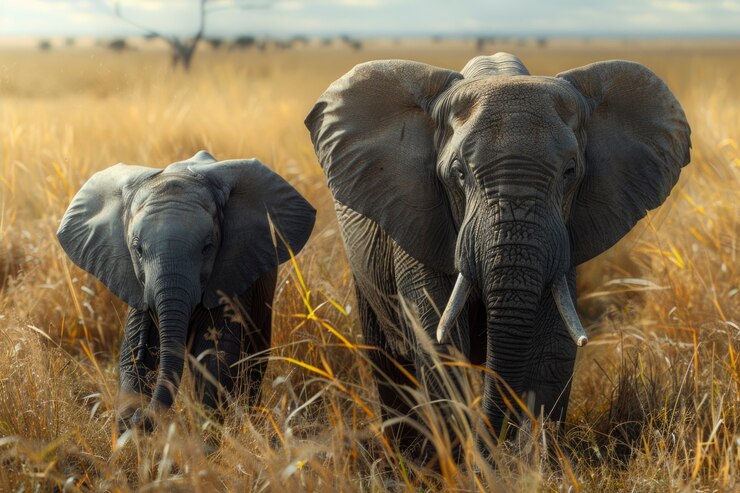
The elephants of Ngorongoro are known for their impressive size and long tusks, especially the older bulls.
Flamingos
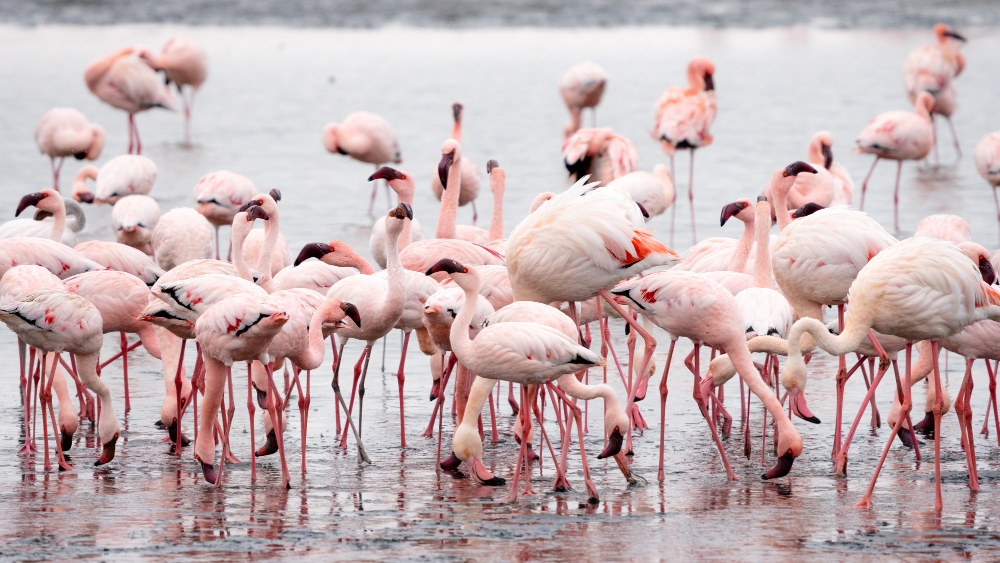
Flamingos create a stunning display on Ngorongoro's salt lakes, especially Lake Magadi.
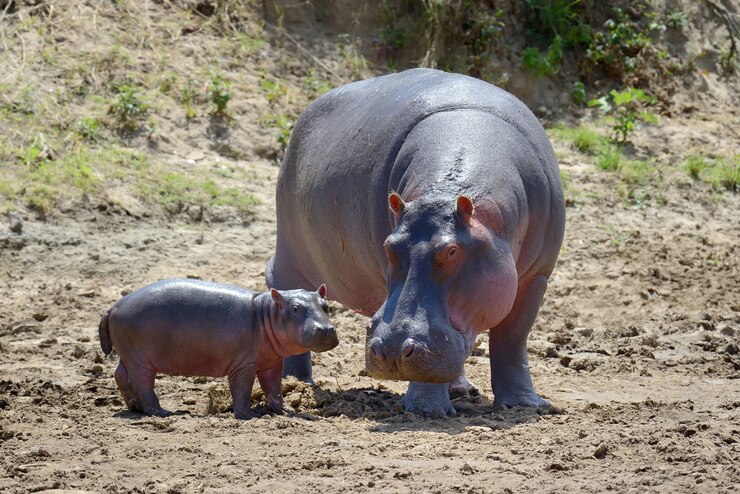
Hippos
Ngorongoro’s hippos can be found lounging in the crater’s shallow pools, particularly in the Ngoitoktok Springs area.
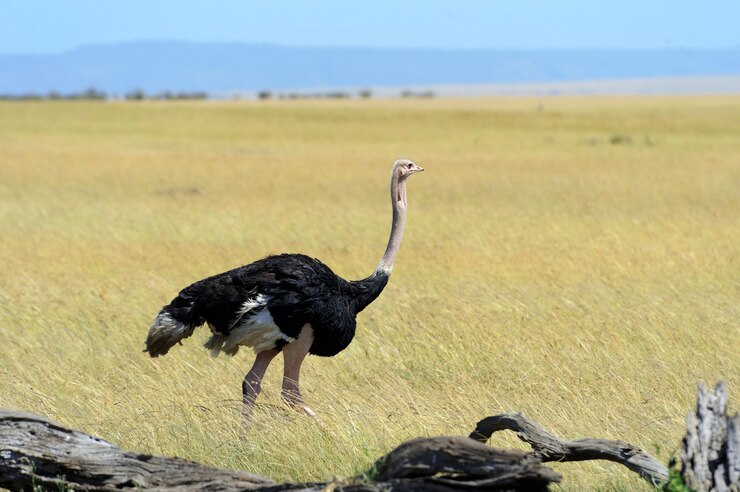
Ostriches
Ostriches are often seen roaming the open plains of Ngorongoro, with their long legs and striking black-and-white or brown feathers.
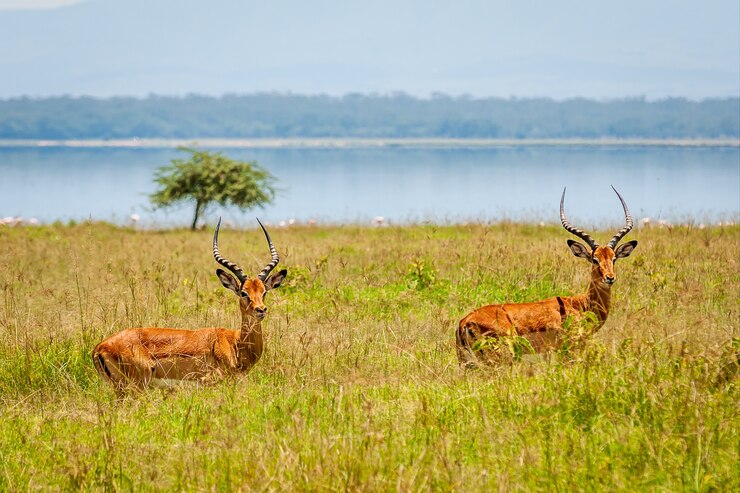
Gazelles
Two species of gazelles, the Grant’s and Thomson’s, graze on the grassy plains of Ngorongoro.
Activities
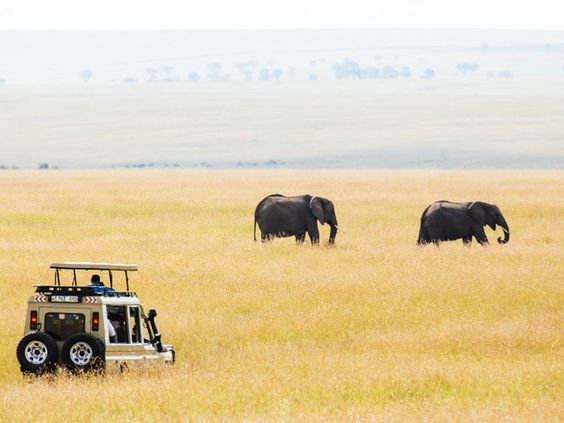
Game Drives
Embark on thrilling game drives across the Ngorongoro Crater floor, where you’ll have a chance to see a vast array of wildlife, including the Big Five (lion, leopard, elephant, rhino, and buffalo).
Visit to Olduvai Gorge
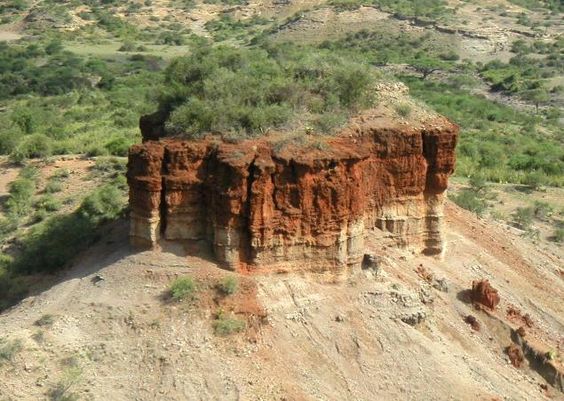
Just outside Ngorongoro, the Olduvai Gorge is an important archaeological site often referred to as the 'Cradle of Mankind.'
Hiking the Empakaai and Olmoti Craters
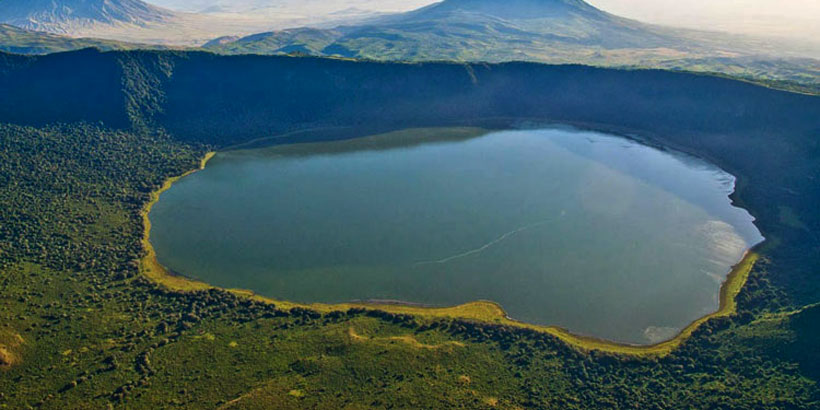
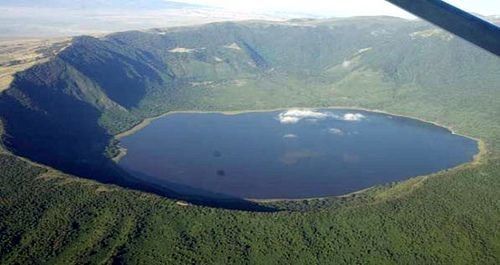
Beyond the Ngorongoro Crater, adventurers can explore the Empakaai and Olmoti Craters.
Walking Safaris
Guided walking safaris offer an immersive experience as you explore the highlands and forests surrounding the crater.
Visa And Safety
Visa
Most travelers need a Tanzanian visa to visit Ngorongoro. It can be obtained online as an eVisa or on arrival at international airports and major border crossings. Ensure your passport is valid for at least six months beyond your travel date.
Safety
Always follow guides’ instructions during game drives and avoid leaving the vehicle in wildlife zones. Be cautious around wild animals, maintain a safe distance, and avoid feeding them. Carry essentials like sunscreen, insect repellent, and sufficient drinking water.