
Welcome
kilimanjaro
Send us free inquiery now
Overview
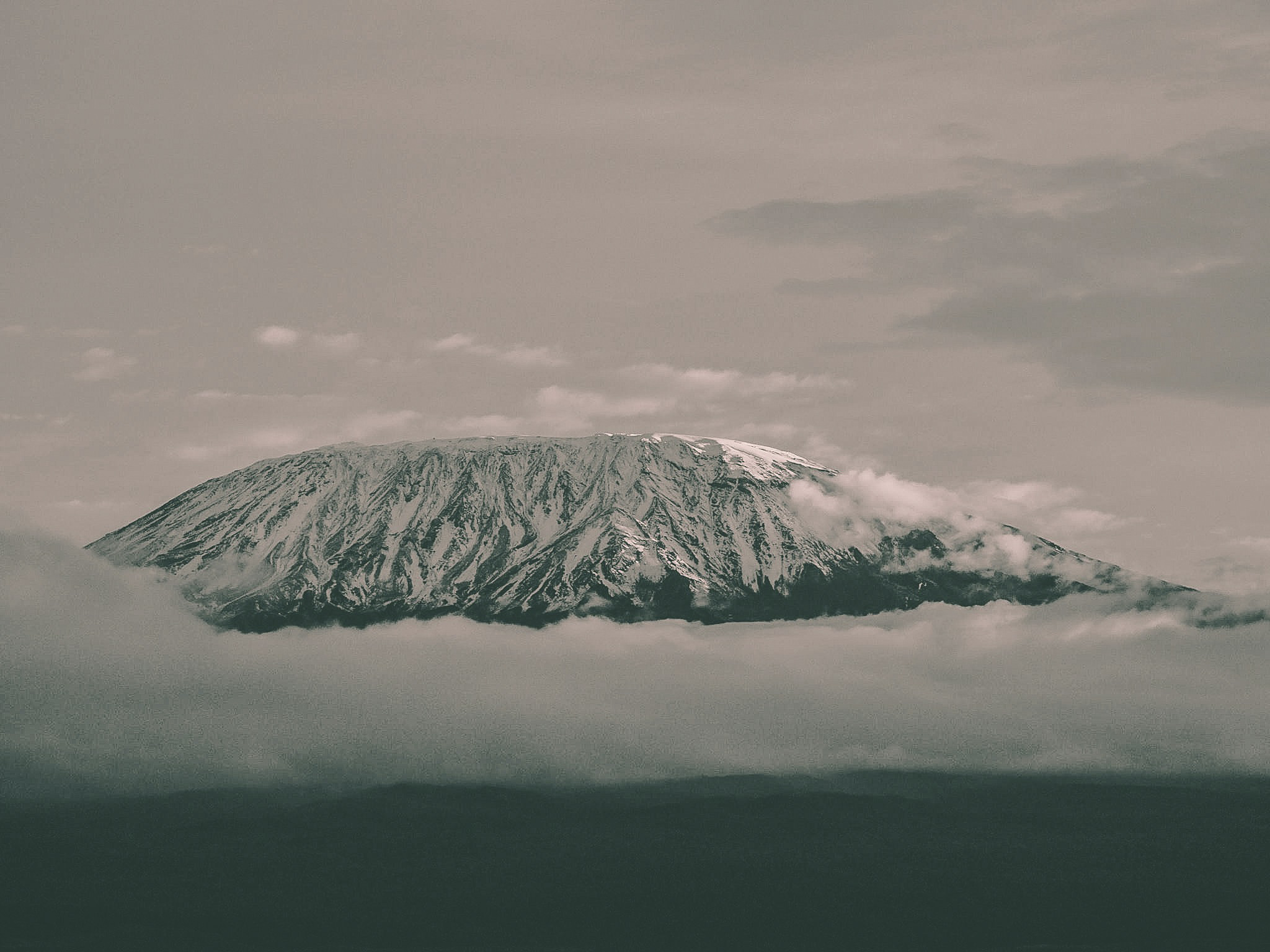
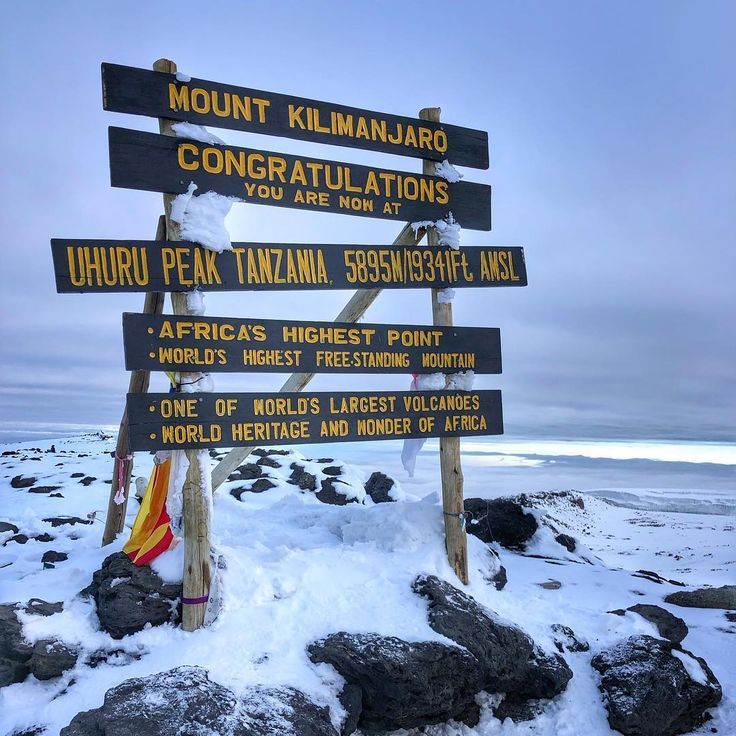
Mount Kilimanjaro, Africa's tallest mountain, rises to an impressive 5,895 meters (19,341 feet) above sea level, dominating the northern landscape of Tanzania. This majestic peak, nestled within Kilimanjaro National Park, draws adventurers and nature enthusiasts alike with its unique blend of landscapes, from lush rainforests to alpine deserts and icy glaciers at the summit. Often called the "Roof of Africa," Kilimanjaro holds the distinction of being one of the Seven Summits and is recognized as a UNESCO World Heritage Site, symbolizing both natural beauty and the spirit of adventure.
Best Time To Visit
The best time to climb Kilimanjaro depends on weather stability, trail conditions, and crowd levels. Dry seasons are ideal for safety and visibility, while shoulder seasons offer fewer tourists.
This period is great for those who prefer fewer crowds and warmer conditions. The trek is more peaceful, and the scenery remains stunning with visible snow at the summit.
This is the peak trekking season due to its stable and dry weather. It provides the best climbing conditions and a higher chance of reaching the summit successfully.
Snow at the Equator
Despite its location near the equator, Mount Kilimanjaro defies expectations with a snow-capped peak year-round. This unique phenomenon occurs due to the mountain's extreme elevation, which creates an arctic climate at the summit, allowing ice and snow to persist even in a tropical region.
Weather Month by Month
Kilimanjaro can be climbed year-round, but the best experience depends on the weather conditions and personal preferences. Dry seasons offer better conditions, while rainy seasons provide solitude and lush landscapes.
This period offers warm and clear weather, making it an excellent time for trekking and outdoor adventures. The trails are less crowded compared to peak months, providing a more peaceful experience. Snow is still visible at the summit, enhancing the beauty of the climb. However, occasional showers may occur, especially in late March.
This is the rainy season, bringing heavy rainfall that makes the trails slippery and challenging to climb. Cloud cover reduces visibility, and humidity levels rise, making trekking more demanding. However, this season offers lush green landscapes, fewer climbers, and lower trekking costs, as it is the off-peak season.
This is the dry season and the most popular time for climbing. The weather is stable, with clear skies, moderate temperatures, and excellent visibility, making it the ideal time for reaching the summit. The trails are at their best condition, but due to high demand, the routes can be crowded, and prices for guided climbs may be higher.
This period experiences short rains, but it is still a viable time for trekking. Rainfall is less intense compared to the April-May season, and the trails remain manageable. The summit remains accessible, and there are fewer climbers compared to the peak season, allowing for a more private experience.
Visa And Safety
Visa
A Tanzanian visa is required for most nationalities. It can be obtained online (eVisa) or on arrival at major entry points. Ensure your passport is valid for at least six months beyond your travel date.
Safety
Acclimatize properly to avoid altitude sickness by following a gradual ascent, staying hydrated, and allowing sufficient rest days. Always climb with an experienced guide to ensure a safe and successful trek.